
How to Import Used Vehicles from China to Côte d'Ivoire (2026 Guide)
Published · Updated · 8 min read
Côte d'Ivoire is the commercial hub of francophone West Africa, and its vehicle imports run almost entirely through the port of Abidjan. Demand splits between passenger vehicles for the Abidjan market and working stock — pickups, light trucks, tippers and excavators — for construction, agriculture and the cocoa logistics chain.
The two things that decide whether an import works here are the age band your vehicle falls into and the pre-shipment inspection that has to happen before it sails. Both are stricter than buyers expect.
1. Three age bands, not one
Unlike markets with a single maximum age, Côte d'Ivoire grades the limit by vehicle class: passenger cars up to 5 years, light commercial vehicles 7 years, and coaches or trucks above 5 tonnes up to 10 years.
The age is counted from first registration in the country of origin — not the model year on the badge. A 2019-built vehicle first registered in 2020 is a 2020 vehicle for this purpose, and that one-year difference regularly decides whether a unit qualifies.
- Passenger cars: 5 years from first registration
- Light commercial vehicles: 7 years from first registration
- Coaches and trucks over 5 tonnes: 10 years from first registration
- Confirm the build date and first-registration date separately — they are not the same number
2. COTECNA inspection is mandatory, and over-age is expensive
Every used vehicle needs a pre-shipment inspection carried out in the country of origin under the COTECNA programme. It is not a formality you arrange on arrival.
The penalty structure is what makes this worth taking seriously: a vehicle outside the age window is rejected, and the importer carries a XOF 2,000,000 penalty plus the cost of re-export or destruction. That is a total loss on the unit, not a surcharge.
So the inspection is not just a document — it is the checkpoint that protects your capital. Book it before the shipping cut-off, and never sail on the assumption it can be resolved later.
3. Abidjan, and the San Pedro alternative
Port autonome d'Abidjan is the main gateway and handles the overwhelming majority of vehicle imports. San Pedro serves the south-west, including the cocoa belt, and is worth asking about if your operation sits in that corridor.
Transit runs around 32–45 days from Chinese ports depending on routing and transhipment, plus customs clearance at destination.
- Ask which terminal your vessel actually calls at — feeder legs add days and cost
- Confirm whether RoRo or container suits the unit: machinery and parts ship better in a box
- Budget for port storage from the day the vessel berths
4. What the duty stack looks like
Imports are assessed under the UEMOA common external tariff: customs duty in the 5–20% band on CIF value, plus 18% TVA, plus a vehicle excise scaled by engine size — 0% under 1,500cc, 10% for 1,501–2,000cc, 20% for 2,001–3,000cc and 35% above 3,000cc.
Engine displacement therefore moves your bill materially. Two otherwise identical vehicles with different engines can land at noticeably different costs, which is worth modelling before you shortlist rather than after.
| Charge | Basis | Indicative level |
|---|---|---|
| Customs duty | CIF | 5–20% under UEMOA CET |
| TVA | CIF + duty | 18% |
| Vehicle excise | Engine size | 0% / 10% / 20% / 35% |
| Inspection and port costs | Per shipment | Ask your broker in writing |
5. What sells in this market
- SUVs and sedans for the Abidjan urban market
- Pickups and light trucks for trading and distribution businesses
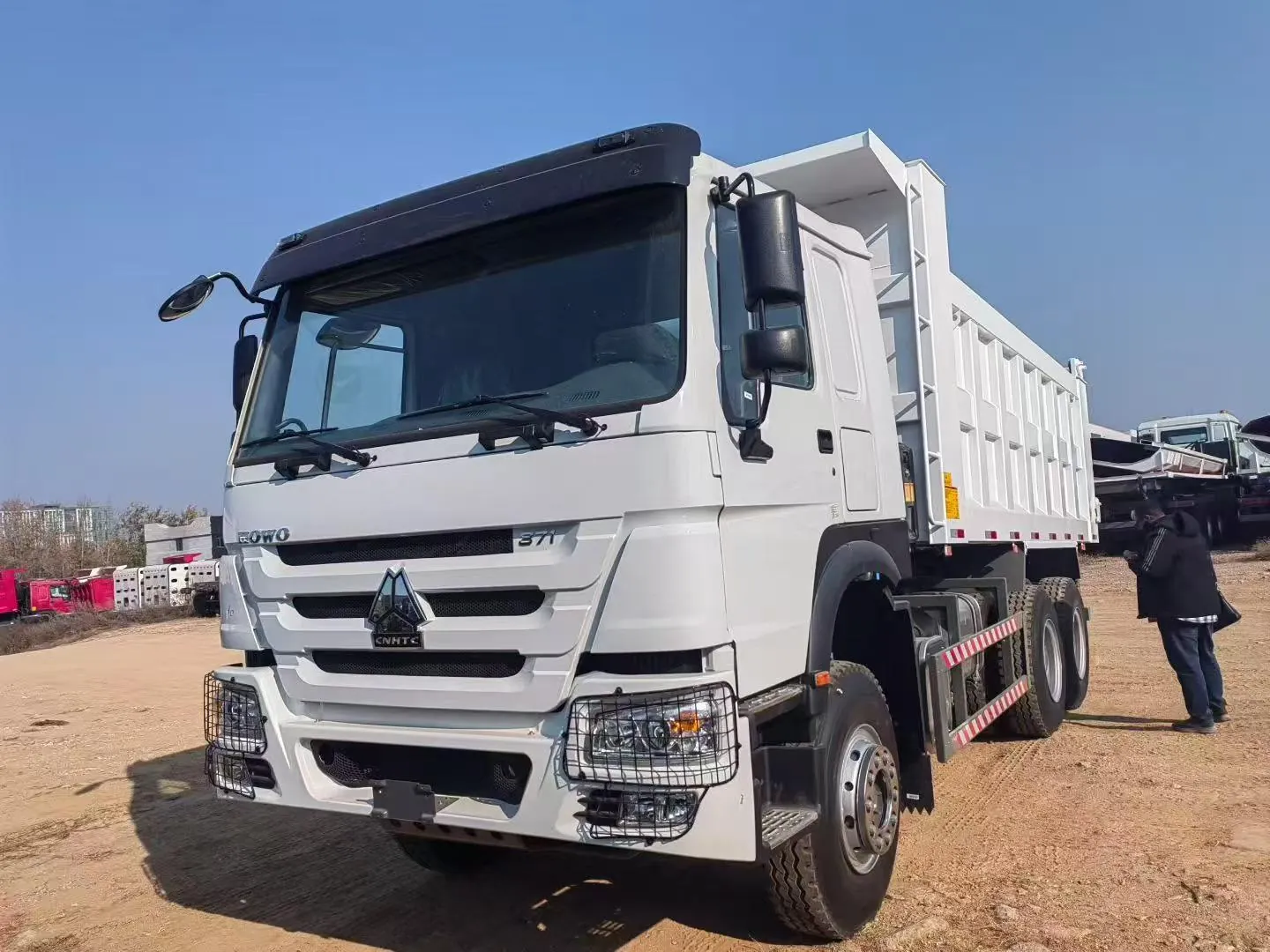
- Dump trucks and excavators for construction and earthmoving
- Units with a local parts presence — downtime costs more than the purchase saving
Rules change — verify before you buy
Age bands, the inspection programme and duty rates are revised from time to time. This guide reflects the position checked in October 2026. Before you pay a deposit, confirm the current requirements with your licensed Ivorian clearing agent.
Tell us your vehicle class and arrival window and we will confirm the band, the inspection path and the document set for your specific unit in writing, before you commit.
PS AutoMart
We source, inspect and ship used buses, trucks and machinery from China to ports across Africa, Asia and Latin America. Send us your requirement and we will send back a shortlist with full landed-cost estimates.
Related reading
How to Import Used Vehicles from China to Laos (2026 Guide)
Laos is a rail story now — Kunming to Vientiane is roughly 40% cheaper than trucking — but its age limits are published inconsistently, so confirm in writing before anything ships.
8 min readHow to Import Used Vehicles from China to Myanmar (2026 Guide)
Myanmar publishes permitted production years every December. For 2026: passenger cars must be 2025 or 2026 models, trucks and passenger vans 2022 to 2026, machinery 2017 to 2026.
8 min readHow to Import Used Vehicles from China to Cambodia (2026 Guide)
Cambodia has no binding age cap, but its tax-on-tax structure pushes the effective burden to roughly 100–120% of value on large engines — which is why small displacement sells here and big engines do not.
8 min read