
How to Import Used Vehicles from China to DR Congo (2026 Guide)
Published · Updated · 9 min read
DR Congo is a large country with two quite separate import realities. The west, including Kinshasa, is served by the Atlantic ports of Matadi and Boma. The mining south-east around Lubumbashi is usually served by shipping to Dar es Salaam or Durban and bringing the vehicle in overland.
Which route applies to you changes the transit time, the cost and the paperwork — so establish it first, before anything else.
1. The age cap was cut to 15 years in 2026
Decree 26/01 of 24 January 2026 caps imported used vehicles at 15 years, down from the 20 years allowed since 2017. It covers passenger cars, commercial vehicles, heavy trucks, ambulances, hearses and tankers.
There are two carve-outs worth knowing: agricultural, forestry and mining tractors may go to 20 years, and vehicles of at least 30 years may be treated as collectibles. If your unit is a tractor for a mine site, the limit is not the one that applies to a pickup.
We only ship factory left-hand drive. Right-hand-drive imports are officially restricted here, and while older RHD units are still seen in eastern border regions, they are not a basis to plan an import on.
- General cap: 15 years from first registration
- Agricultural, forestry and mining tractors: 20 years
- Vehicles 30+ years: collectible treatment
- Steering: factory left-hand drive only
2. OCC verification, plus a technical control certificate
The OCC (Office Congolais de Contrôle) verification programme runs before shipment and produces the attestation de vérification plus a clean report of findings.
The 2026 decree added a further requirement: a technical control certificate issued in the country of origin, together with the logbook or registration certificate. That is two origin-side documents now, not one — and both need to be in place before the unit sails.
3. Two routes, two very different timelines
Note the method constraint: Matadi is container-only, Boma takes RoRo. If your unit is oversized machinery that suits RoRo, the port choice follows from the vehicle, not from preference.
| Route | Ports | Typical transit | Serves |
|---|---|---|---|
| Western | Matadi (container only) and Boma (RoRo) | Around 40–60 days from Chinese ports | Kinshasa and the west |
| South-eastern | Dar es Salaam or Durban, then road | Ocean leg plus several days overland | Lubumbashi and the mining south-east |
4. Duty and the additional charges — budget conservatively
Customs duty is commonly assessed at 20% of CIF plus 16% VAT. On top sit the OCC charge of around 2%, the OGEFREM maritime fee of about 0.58%, the FPI promotion charge of around 2% and a BIVAC inspection fee of roughly 0.75% of FOB.
All in, clearance cost is frequently quoted in the 50–80% range of CIF. That is a wide band, and the honest advice is to model it conservatively: in DR Congo the extras are numerous enough that a thin margin on purchase price is easily swallowed at the port.
5. What sells here
- 4x4 SUVs and pickups for mine sites and supervision fleets
- Minibuses for staff transport
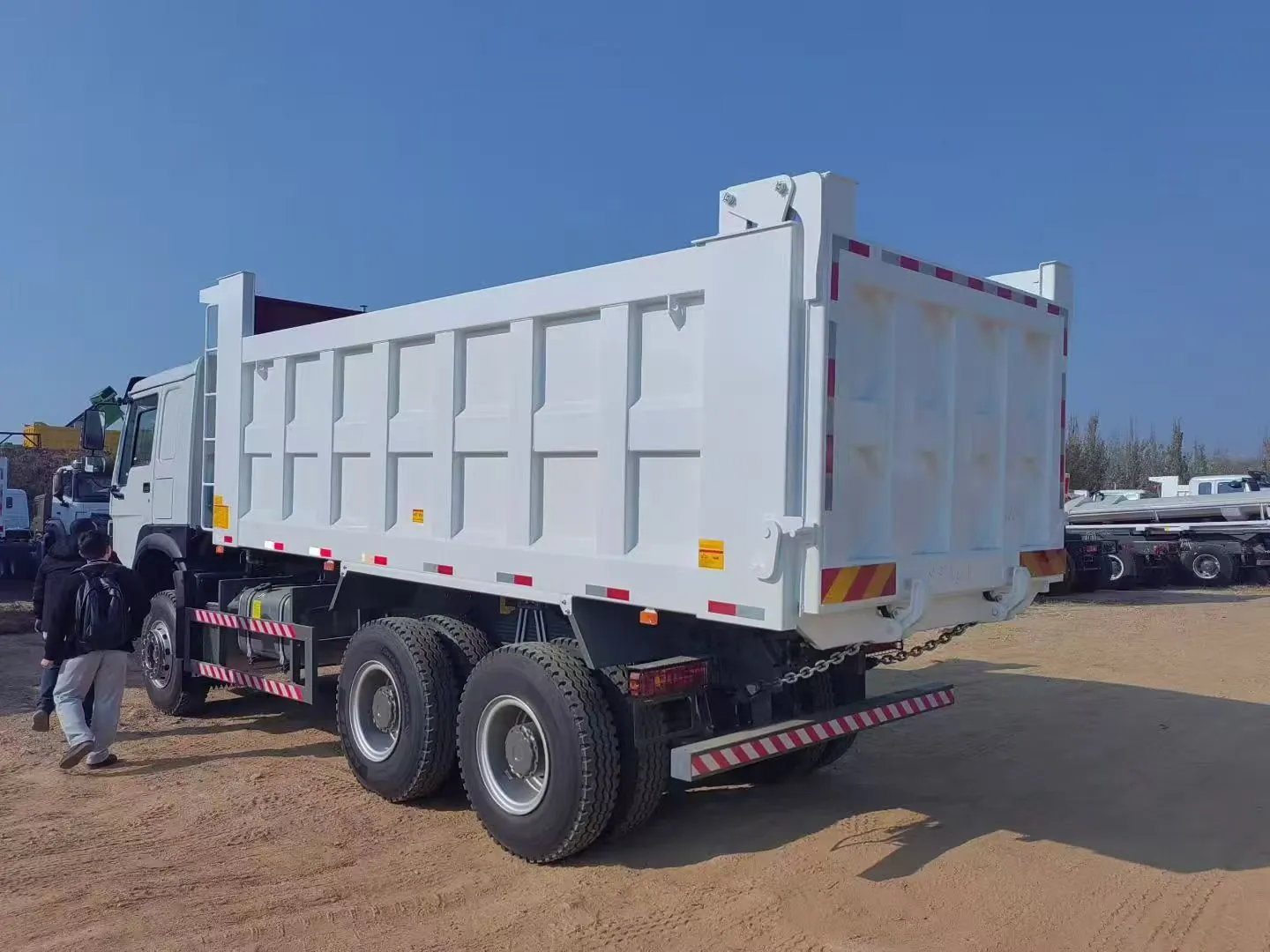
- Dump trucks and tipper fleets for haulage
- Excavators and wheel loaders for earthmoving
Rules change — verify before you buy
The 2026 decree is recent and its implementation details matter. This guide reflects the position checked in October 2026. Confirm current requirements with a licensed Congolese clearing agent before you pay a deposit.
Tell us your destination city and vehicle class and we will confirm the route, the age treatment and the document set in writing, before you commit.
PS AutoMart
We source, inspect and ship used buses, trucks and machinery from China to ports across Africa, Asia and Latin America. Send us your requirement and we will send back a shortlist with full landed-cost estimates.
Related reading
How to Import Used Vehicles from China to Laos (2026 Guide)
Laos is a rail story now — Kunming to Vientiane is roughly 40% cheaper than trucking — but its age limits are published inconsistently, so confirm in writing before anything ships.
8 min readHow to Import Used Vehicles from China to Myanmar (2026 Guide)
Myanmar publishes permitted production years every December. For 2026: passenger cars must be 2025 or 2026 models, trucks and passenger vans 2022 to 2026, machinery 2017 to 2026.
8 min readHow to Import Used Vehicles from China to Cambodia (2026 Guide)
Cambodia has no binding age cap, but its tax-on-tax structure pushes the effective burden to roughly 100–120% of value on large engines — which is why small displacement sells here and big engines do not.
8 min read