
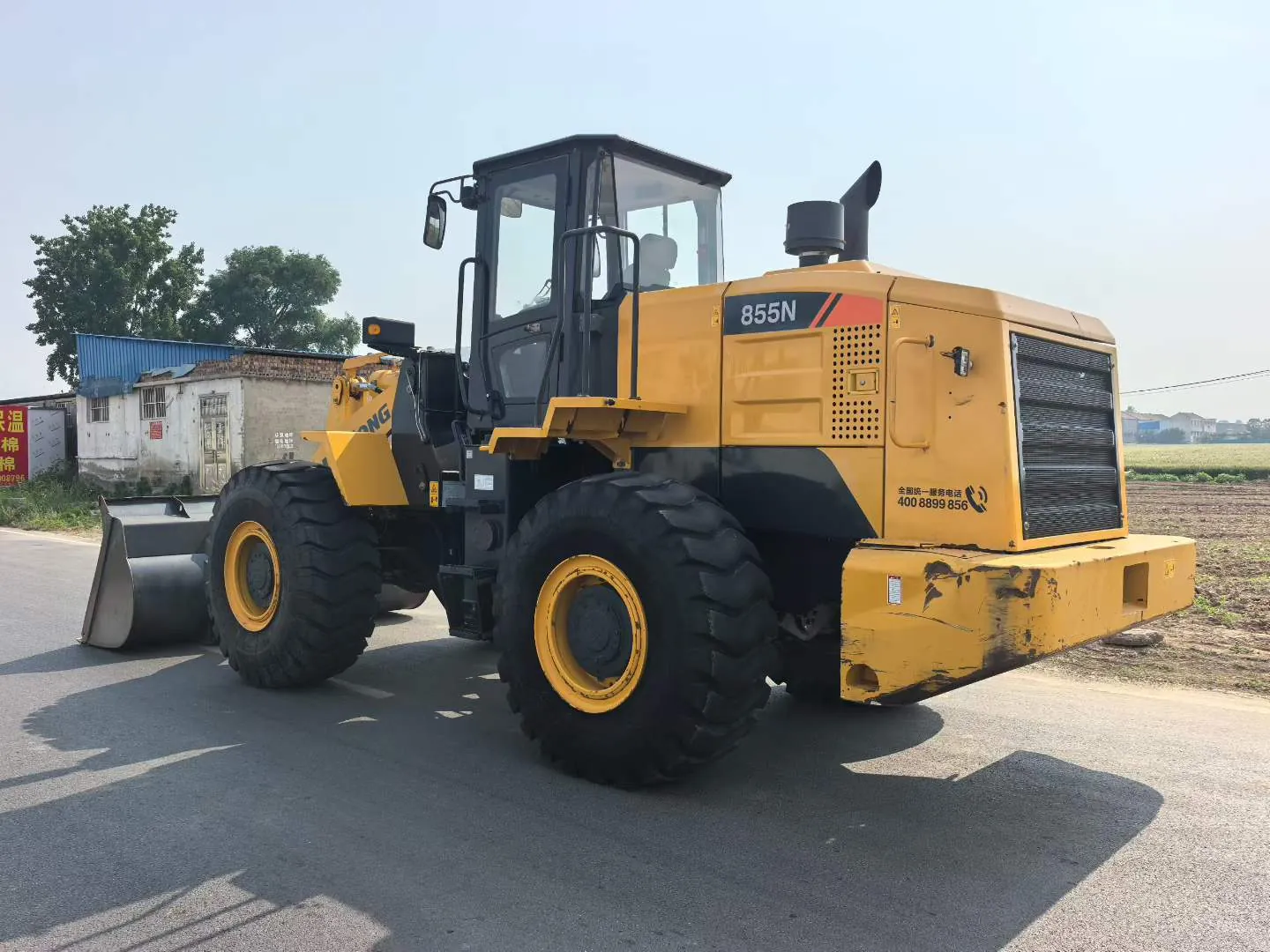
Container, Flat Rack or Break Bulk: How Construction Machinery Ships from China
Published · 7 min read
Machinery does not ship like vehicles. A coach or a tipper is a known shape and goes into a known slot; an excavator's shipping cost depends on whether the boom comes off, how wide the tracks are, and whether the machine can be lifted onto a flat rack without a crane that the port happens to have.
There are three methods, and the choice is made from measurements rather than from preference.
The three methods
| Method | Fits | Trade-off |
|---|---|---|
| Container — 40ft high cube | Mini and small excavators, small wheel loaders, rollers, small backhoes, plus attachments and spare parts. Internal floor is about 12.0 m by 2.35 m, door opening about 2.34 m wide by 2.58 m high. | Cheapest per unit and best protected from weather and pilferage — but only if the machine fits through the door with the attachment removed. |
| Flat rack — 20ft or 40ft | Wheel loaders, excavators and rollers that are too wide or too tall for a container door, but still within the platform envelope and within the crane's lift at both ports. | Open sides make loading simple and allow over-width cargo; the machine is weather-exposed and has to be lashed to a professional standard. |
| Break bulk — conventional vessel | Large excavators, bulldozers, motor graders and anything over the flat-rack envelope or above the safe lift weight. | The only option for the biggest units, and the slowest and least frequent. Sailing schedules are sparse, and port handling capacity becomes part of the plan. |
The three measurements that decide everything
Before a freight quote means anything, we need three numbers, and they have to be taken in shipping condition — not from a brochure.
- Length, width and height with the attachment in the position it will ship in. A loader with the bucket flat is shorter than one with the bucket curled; an excavator with the boom folded is a different cargo entirely.
- Operating weight, and the weight of the heaviest single piece if the machine is dismantled.
- Centre of gravity and lifting points. This is what the port crane operator needs, and it is the number that most often goes missing from a buyer's specification sheet.
What has to be done before the machine goes to the port
- Remove or fold the attachment, and secure the boom or arm with a mechanical lock rather than hydraulic pressure alone.
- Lower all hydraulics to the ground, relieve pressure, and cap exposed lines if anything is disconnected.
- Drain fuel to the level the carrier allows — fuel is a dangerous-goods consideration on some routes and a weight consideration on all of them.
- Disconnect the battery and secure the isolator.
- Clean the undercarriage properly. Soil and plant residue are a biosecurity matter in a number of destination markets, and a dirty machine can be held at the port for it.
- Photograph everything: the machine on the trailer, the tie-down points, the sealed cab, the hour meter and the serial plate.
Lashing is not a formality
A 20-tonne excavator on a flat rack is a moving load for several weeks. It is held by chains or web lashings to D-rings, with timber dunnage under the tracks to spread the load and stop the machine walking, and with the tracks or wheels chocked. Tyres and friction alone are not a sea fastening.
The lashing plan is the carrier's responsibility to approve and ours to execute, and it is worth asking for photos of the finished securing before the vessel sails. Units that shift in heavy weather do not just damage themselves; they damage the cargo next to them, and the claim lands on whoever signed off the lashing.
Documents, in the order they happen
- Booking confirmed with the carrier, with the method and the dimensions on the booking — not just the weight.
- Loading, lashing and a verified gross mass (VGM) declaration for containerised cargo.
- Bill of lading issued after loading; check that the description matches the machine and the serial number.
- Insurance arranged before the machine leaves the yard, not before it leaves the port.
- Destination documents sent ahead of arrival so the consignee can start clearance rather than start looking for paperwork.
The short version
If it fits through a container door with the attachment off, containerise it — it is cheaper and better protected. If it is too wide but liftable, use a flat rack. If it is bigger than the flat-rack envelope, it goes break bulk and the schedule becomes the constraint.
Send us the model and the three measurements in shipping condition and we will tell you which method applies, what the lashing needs, and what the freight looks like before you commit to the machine.
Freight rates, carrier restrictions and port capacities change. This describes how we plan machinery shipments as of October 2026; confirm the current routing and rate on your quotation.
PS AutoMart
We source, inspect and ship used buses, trucks and machinery from China to ports across Africa, Asia and Latin America. Send us your requirement and we will send back a shortlist with full landed-cost estimates.
Related reading
From Booking to Bill of Lading: How the Ocean Freight Leg Actually Works
Between the container leaving the yard and you collecting it at port lies the part nobody explains: booking, cut-offs, transshipment, the Bill of Lading and the fees that punish lateness.
11 min readExport Packaging for Used Vehicles and Machinery: What Happens Before the Doors Close
Vehicles are not boxed, but they are still packaged — cleaned, drained, wrapped, disassembled and documented before a container or a ship's hold takes them. What that work involves.
9 min readHow Used Vehicles Are Loaded into Containers: Ramps, Racks and Lashing, Step by Step
Most transit damage is not bad luck — it is loading. How four sedans or three vans actually fit into a 40ft container, and what to check before the doors close.
10 min read