
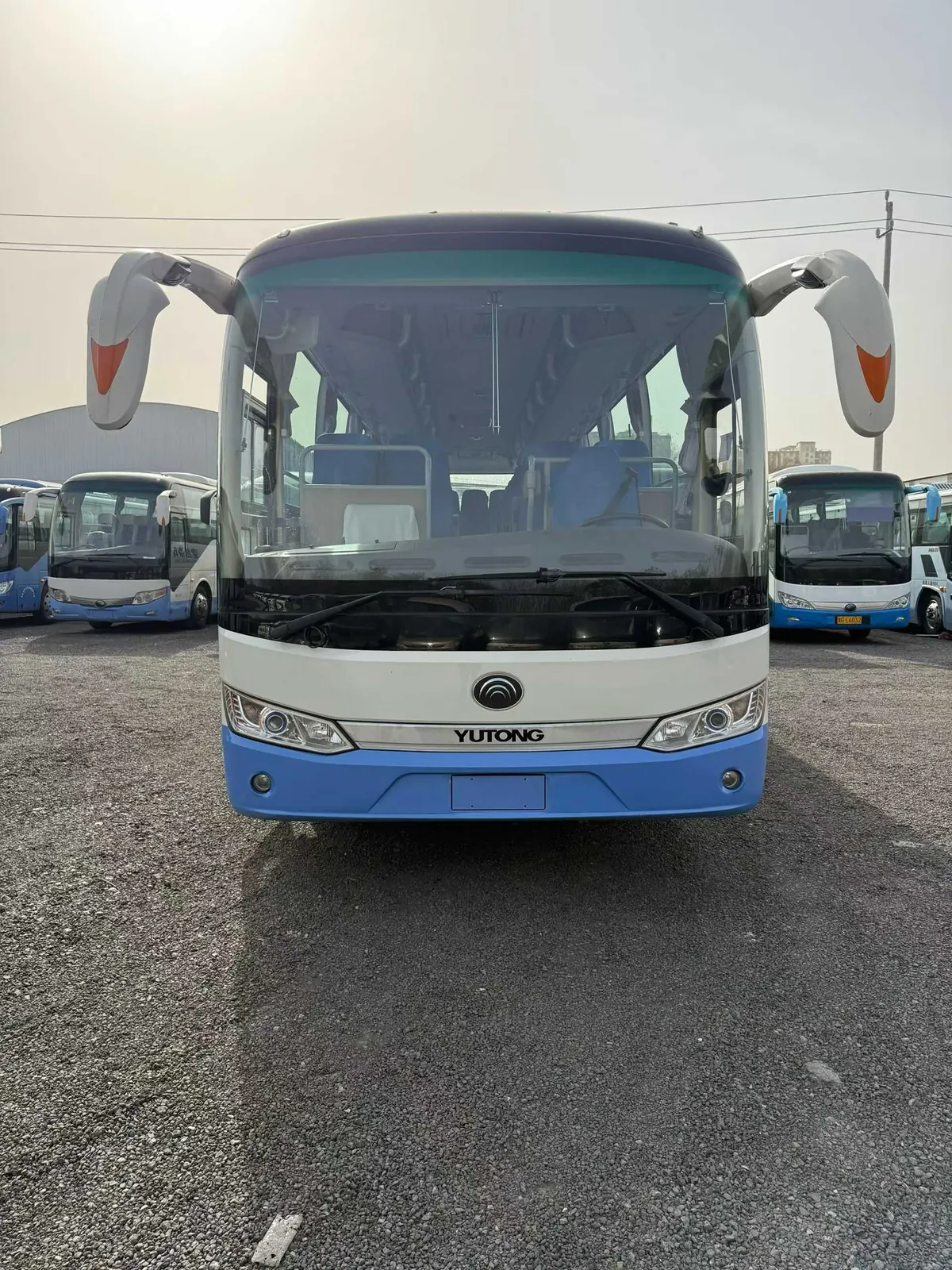
Shipping Used Vehicles from China: Methods, Costs and Timelines
2026-10-12 · 7 min read
Once you have chosen a vehicle, the next decision that materially affects your landed cost is how to ship it. There are two main methods, and they suit different cargo.
RORO (Roll-on / Roll-off)
The vehicle is driven onto a specialised vessel and secured on deck. RORO is usually the cheapest option for vehicles that can be driven on their own wheels.
- Best for: buses, trucks, coaches and cars in running condition
- Advantages: lowest freight cost, no container packing, less handling damage
- Limitations: fewer sailing schedules, must be driveable, usually no space for spare parts
- Typical transit to West Africa: several weeks depending on the line and route
Container shipping
The vehicle is loaded into a standard container, or a flat-rack / open-top for oversized units. This gives more control and lets you ship spare parts in the same box.
- Best for: machinery that cannot be driven, or when you want to ship parts together
- Advantages: more sailing options, sealed cargo, parts can be combined
- Limitations: higher cost for large units, may need dismantling for height
- Typical transit: similar to RORO, sometimes more frequent departures
Comparing the two
| Factor | RORO | Container |
|---|---|---|
| Relative cost | Usually lower | Usually higher for large units |
| Vehicle must run | Yes | No |
| Spare parts space | Rarely | Yes |
| Schedule frequency | Fewer sailings | More sailings |
| Cargo protection | Exposed on deck | Sealed |
Incoterms: pick one and be consistent
FOB means your responsibility starts once the vehicle is loaded at the Chinese port. CIF adds freight and insurance to your destination port. Most first-time importers prefer CIF because it moves the ocean leg onto the seller, leaving clearing at the destination to the buyer.
Whichever you choose, get it stated in writing on the invoice, and make sure your insurance covers the ocean leg.
Documents to keep together
- Bill of Lading — the single most important document at the destination
- Commercial invoice and packing list
- Certificate of Origin
- Marine insurance certificate (if CIF)
- Vehicle identification details matching the cargo
Practical tips
- Confirm which port the vessel actually calls at — a nominal destination port may involve a feeder leg and extra cost.
- Ask for the vessel name and voyage number once booked, so you can track it.
- Photograph the vehicle before loading; it is your only evidence if damage occurs in transit.
- Budget for storage and demurrage — the clock starts as soon as the vessel berths.
PSJX AutoMart
We source, inspect and ship used buses, trucks and machinery from China to ports across Africa and Asia. Send us your requirement and we will send back a shortlist with full landed-cost estimates.